Locally Led Conservation
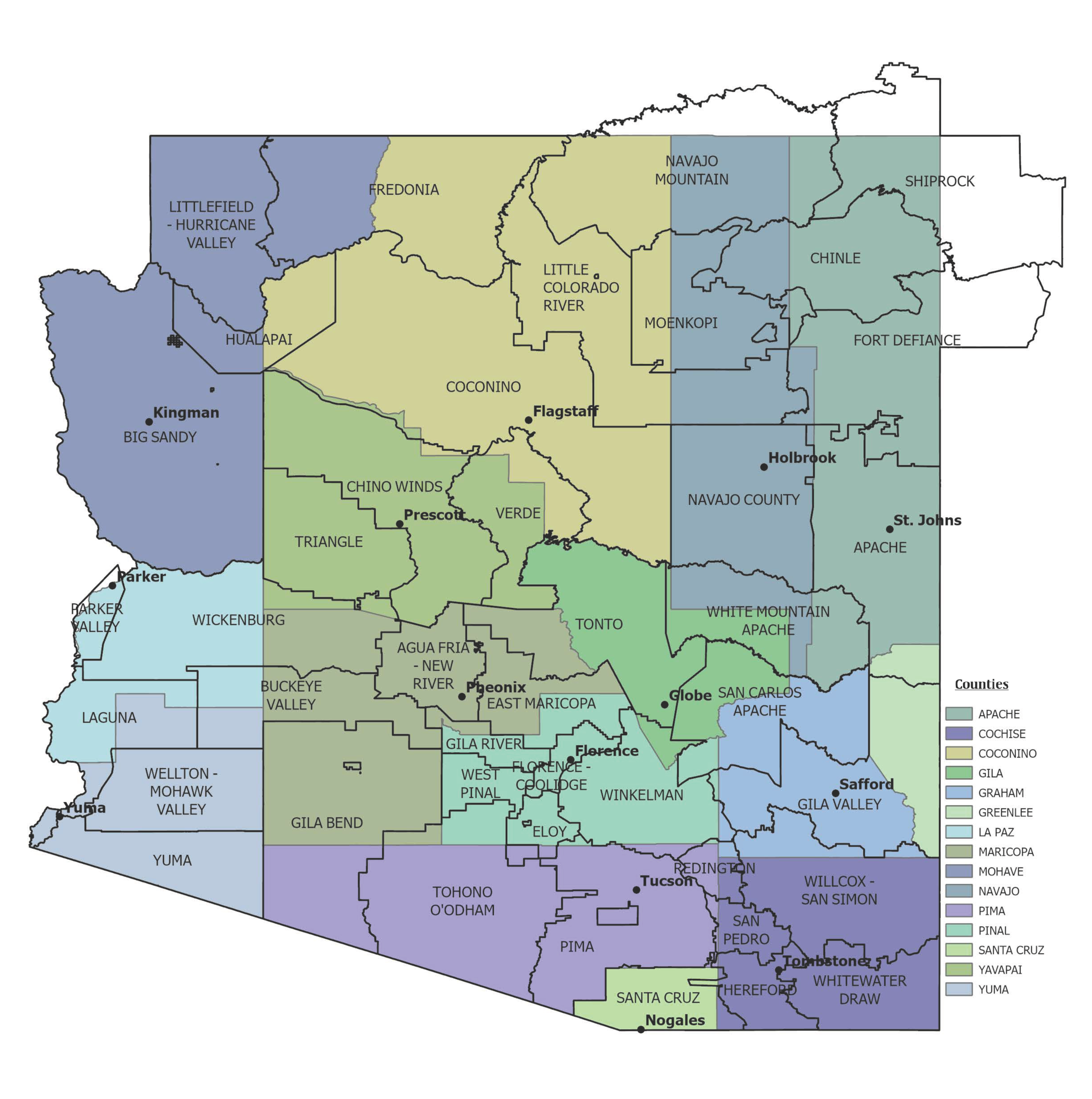
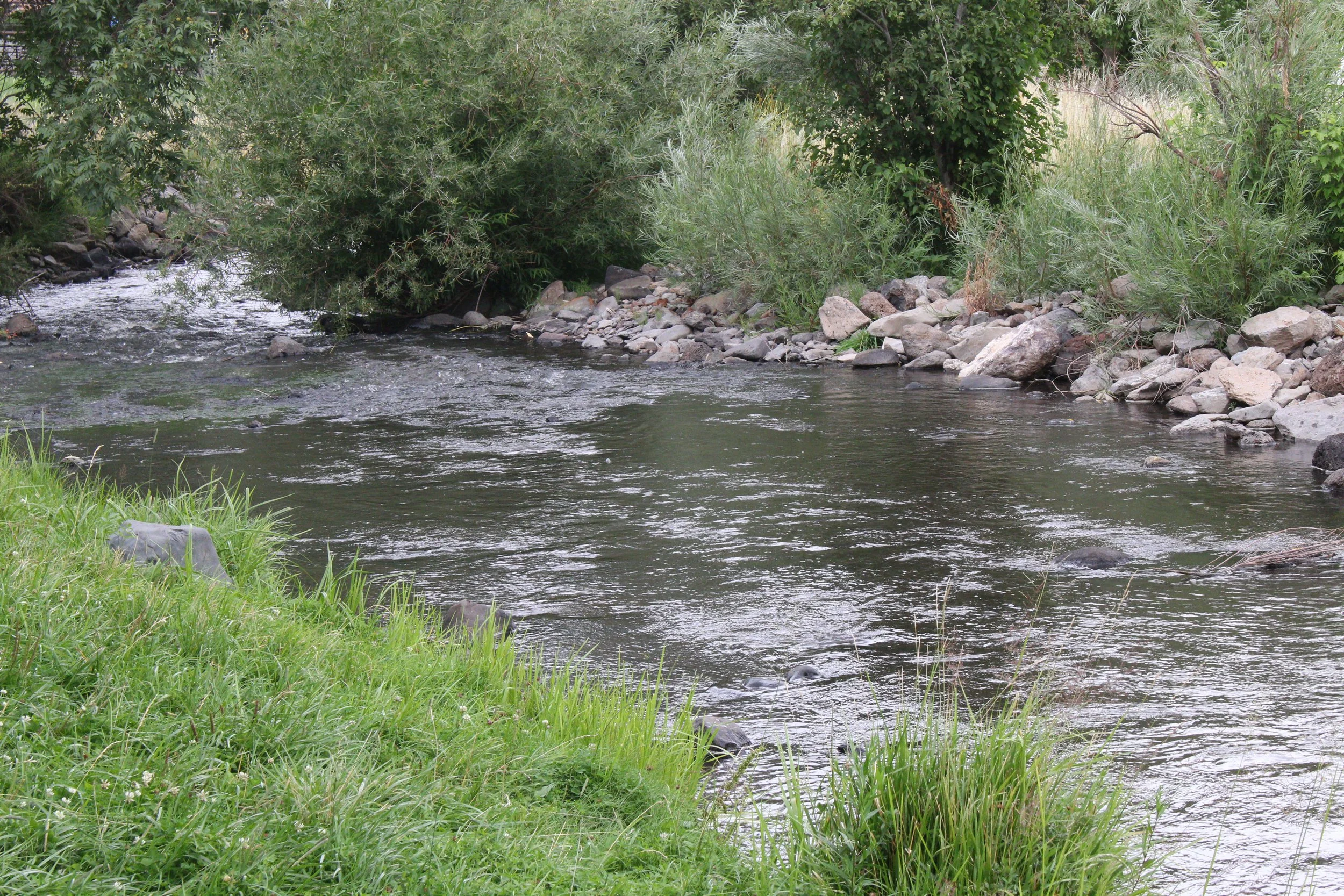
Each District has characteristics that are defined by history, land types, resource needs, topography, and much more. From Saguaro deserts to mountain ranges of Ponderosas, Arizona presents a striking contrast in landscapes that is uniquely its own.
Conservation Districts are the foundation of Arizona's conservation network. Established by the Arizona Legislature in 1941 in response to the Dust Bowl era, these locally led governmental subdivisions were created to help landowners, producers, and communities address natural resource concerns through voluntary, locally driven conservation.
Today, Arizona is served by a mix of Natural Resource Conservation Districts and Tribal Soil and Water Conservation Districts. Districts (combined “Conservation Districts). Because they understand local landscapes, challenges, and opportunities, districts are uniquely positioned to identify conservation priorities and develop practical solutions.
Districts work across private, Tribal, state, and federal lands. Their responsibilities include identifying resource concerns, supporting conservation planning, promoting stewardship, and partnering with agencies, organizations, and landowners to implement projects that improve soil health, water resources, wildlife habitat, forest health, and working lands.
District Supervisors
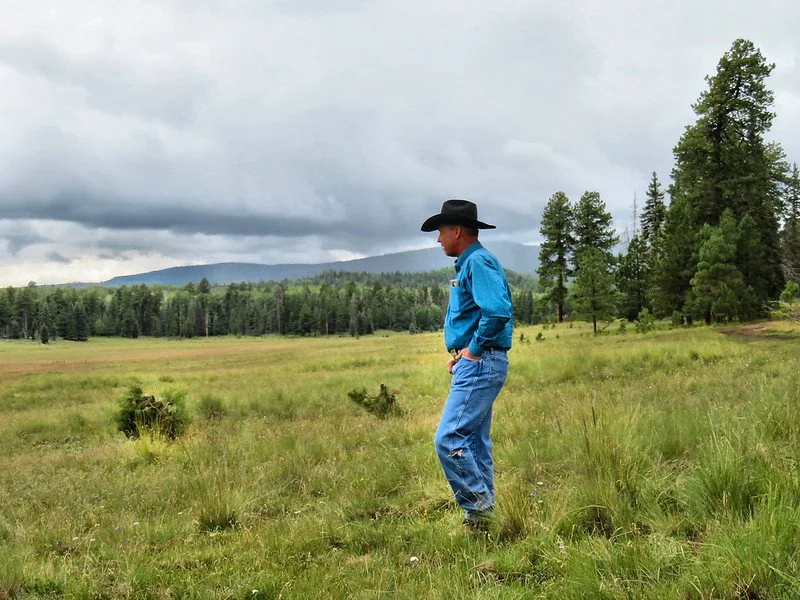
Conservation Districts run by a Board of Supervisors. Board members are elected and appointed individuals who live and work within the communities they serve. Supervisors are unpaid and donate thousands of hours each year to help local agricultural producers and other land stewards implement conservation work.
Supervisors work with stakeholders and District "cooperators" to identify resource conservation needs, set priorities, and help implement conservation practices at the local level.
District Cooperators
Cooperators are local producers and other land managers who reside in a District. Districts seek to join forces with interested cooperators and leverage available resources to enhance Arizona’s working landscapes for ecological and economic prosperity. Districts do this by collaborating with over 20 federal, state, and tribal agencies and other stakeholders who have authority, funding, or expertise in the management of land, water, air, wildlife, and other natural resources. With the support of Districts, cooperators receive the technical and financial assistance needed to develop, fund, and implement sound, locally led conservation plans and practices.